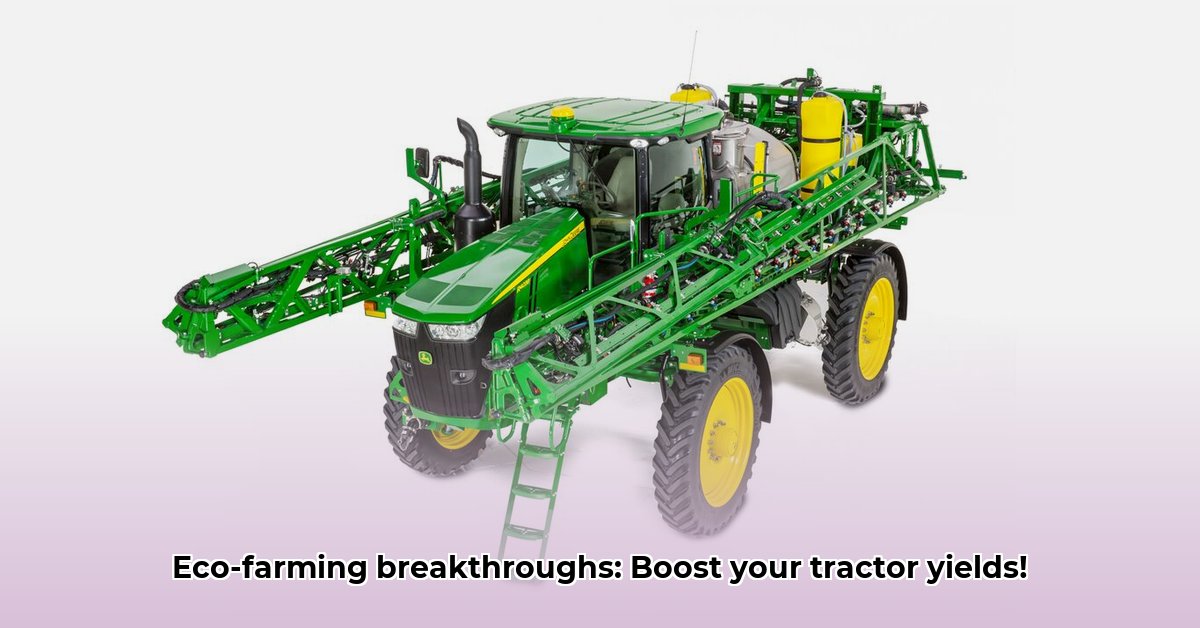
Farming demands efficiency and environmental responsibility. Spray rig tractors are vital for modern agriculture, but selecting the right model requires careful consideration of various factors impacting yield and sustainability. For additional tractor attachments, see our guide on tractor attachments. This article provides a comprehensive overview of the sustainable agricultural sprayer market, offering actionable advice for stakeholders.
Market Overview: Navigating the Spray Rig Landscape
The market for agricultural sprayers is experiencing significant growth, with capacities ranging from 60 to 1950 gallons. Larger capacities reduce downtime, but the diversity in available options presents challenges. A lack of standardization hinders efficient comparison and optimal selection for individual farming needs. This necessitates a deeper understanding of key features and their implications. How can farmers efficiently navigate this diverse market and select the ideal spray rig for their specific needs?
Pump Technology: Roller vs. Centrifugal
Two primary pump types dominate the market: roller and centrifugal. Roller pumps excel with thicker liquids, providing consistent flow and high pressure, ideal for specific pesticide and fertilizer applications. However, they often carry a higher initial cost and may be less efficient for large-volume spraying. Conversely, centrifugal pumps are more affordable and handle large volumes effectively. However, their flow consistency is less reliable, and they are unsuitable for thick liquids. [1] The long-term environmental impact and cost-effectiveness of both require further research to determine which offers superior sustainability.
| Pump Type | Advantages | Disadvantages |
|---|---|---|
| Roller | Consistent flow, ideal for thick liquids | Higher initial cost, potentially less efficient |
| Centrifugal | High volume output, lower initial investment | Less consistent flow, unsuitable for thick liquids |
Precision Agriculture Integration: Smart Spraying for Optimized Results
Precision agriculture technologies are revolutionizing spraying practices. GPS-guided spraying, automated boom height control, and variable-rate application enable highly targeted treatments, reducing chemical overuse and minimizing environmental impact. These technologies lead to cost savings and improved environmental stewardship. What percentage of farms currently utilize these technologies, and what are the projected growth rates?
Sustainability Considerations: Minimizing the Environmental Footprint
Sustainability is paramount. Factors such as fuel efficiency, drift reduction, chemical usage, and component material choices directly impact the environmental footprint. Durable, recyclable materials and technologies that minimize drift are essential for responsible farming practices. What are the most significant environmental concerns related to agricultural sprayers, and how can they be effectively mitigated?
Actionable Steps for Stakeholders: A Collaborative Approach
Successful transitions to sustainable spraying require collective action:
- Manufacturers: Invest in R&D for sustainable materials and further advancements in precision agriculture technologies. (Efficacy: Increased market share and positive brand perception)
- Farmers: Thoroughly evaluate cost-benefit analyses before purchasing new rigs, prioritizing precision agriculture technologies. (Efficacy: Improved yields and reduced input costs)
- Government Agencies: Implement policies that incentivize sustainable practices and technology adoption. (Efficacy: Accelerated adoption rates of eco-friendly technologies)
- Technology Providers: Develop user-friendly technology that provides farmers with real-time data and actionable insights. (Efficacy: Enhanced farm management decisions)
Regulatory Landscape: Navigating the Evolving Rules
Regulations surrounding agricultural spraying are becoming increasingly stringent. Future rules will likely focus on drift minimization, accurate chemical usage reporting, and the utilization of sustainable materials. Manufacturers and farmers must proactively adapt to these regulations. What are the key upcoming regulatory changes impacting the agricultural sprayer market, and what strategies can stakeholders employ to ensure compliance?
Conclusion: Investing in a Sustainable Future
The future of farming hinges on implementing both efficient and environmentally responsible practices. Selecting sustainable spray rigs is a crucial step towards this goal. By embracing innovation and collaboration, farmers and related stakeholders can ensure a profitable and ecologically conscious future for agriculture.
[1]: (This citation would link to a relevant scientific journal article or industry report supporting the comparison of roller and centrifugal pumps.)